This section presents PhD theses of special relevance to the field of Myth Criticism.
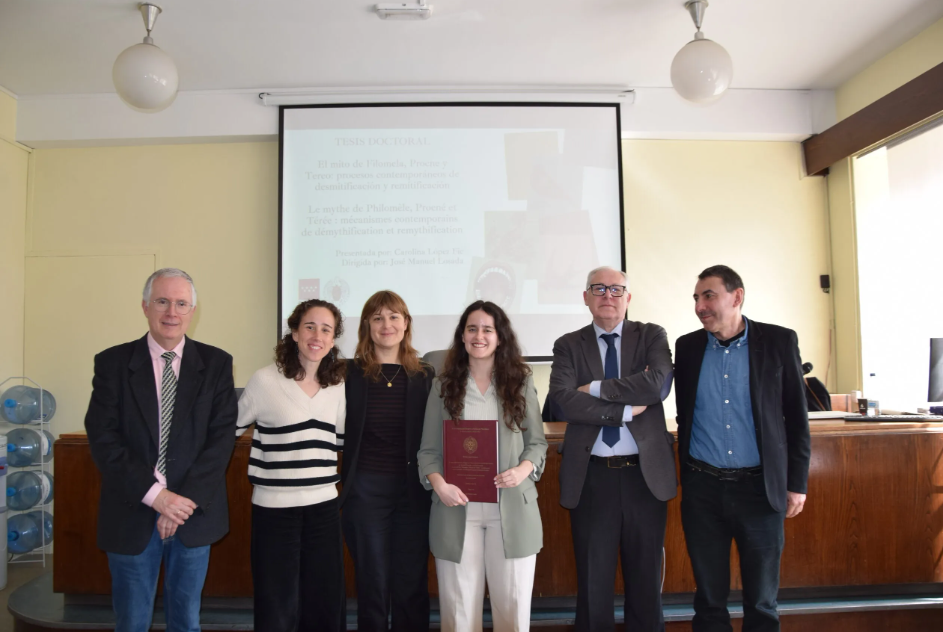
The myth of Philomela, Procne and Tereus: contemporary processes of demythologisation and remythologisation / Le mythe de Philomèle, Procné et Térée: mécanismes contemporains de demythification et remythification
Author: Carolina López-Fic
Director: José Manuel Losada
Defense: March 11, 2026, in “Salón de Grados” of the Faculty of Philology, Complutense University of Madrid
Abstract
“Taking the definition of myth developed by cultural myth criticism as a starting point, which understands it as a symbolic, explanatory and dynamic account of an extraordinary event in which the transcendent element breaks into the immanent world, the contemporary rewritings of the myth of Philomela, Procne and Tereus (20th and 21st centuries) will be studied.
As a whole, the study highlights the constant tension between demythologisation and remythologisation, as well as the central role of Philomela as a symbolic figure in contemporary literature. Her voice, real or metaphorical, becomes a symbol of resistance, memory and poetic creation, confirming the enduring relevance of myth as a privileged space for cultural reflection and political advocacy.”
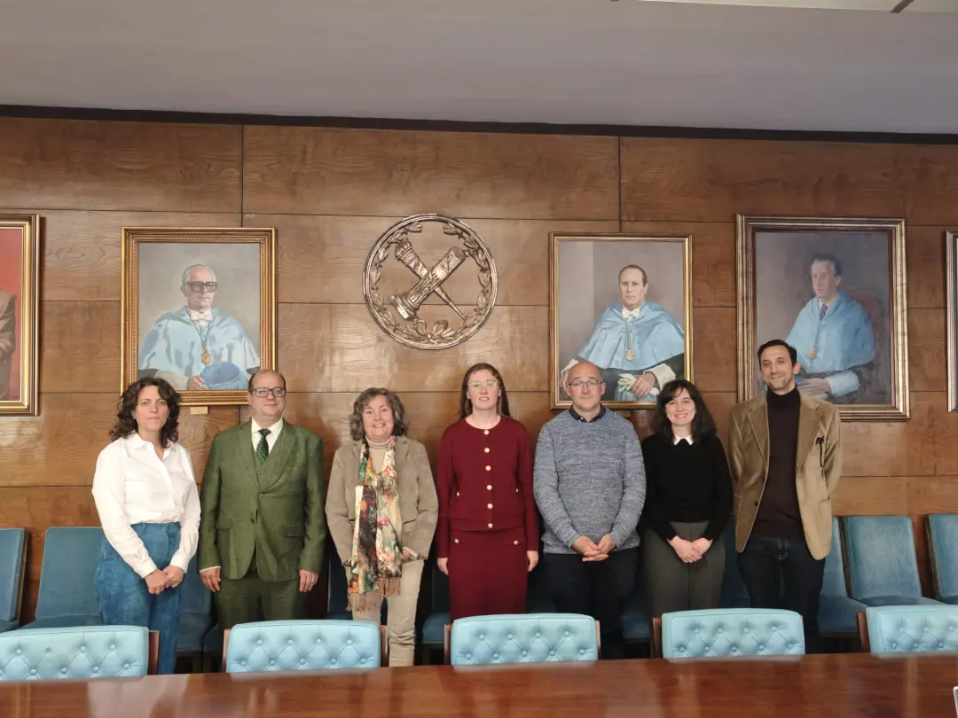
The Figure of the Hero in the Rewriting of Ancient Myths and Folk Tales in English- and Spanish-Language Children’s Literature from the Perspective of Joseph Campbell and Vladimir Propp
Author: Valeria Turkova
Director: Enrique Santos Marinas
Defense: November 28, 2025, in “Sala de Juntas” of the Faculty of Philology, Complutense University of Madrid
Abstract
“This thesis analyses the rewriting of myths and folk tales in children’s contemporary literature in English and Spanish based on Joseph Campbell’s and Vladímir Propp’s theories. Based on these approaches, this paper proposes the hero’s single journey: a narrative model that synthesizes traditional mythological and folkloric structures to examine various modern adaptations collectively.
The model is based on two essential pillars: action and victory. A hero is not the one who owns extraordinary abilities, but the one who acts, faces challenges and reaches a goal. The analysis of authors such as Rick Riordan, Marissa Meyer, Iria G. Parente, Selene M. Pascual and Laura Gallego shows how these stories modernise the myths whilst retaining their cultural relevance. It is concluded that the hero’s single journey allows to compare and systematise the evolution of the heroic tale, providing a methodological tool applicable not only in children’s literature but also in cinema, videogames and other forms of storytelling. In conclusion, even though this study has focused on modern rewritings of myths and tales in children’s literature, the theoretical advances outlined here encourage future research to continue and expand upon this line of inquiry. The hero’s single journey, as a universal analytical framework, has shown not only to be useful in the analysis of contemporary narratives but also has the potential to be applied to other narrative formats and genres. Its versatility allows it to be used in the study of epic poems, classical novels, myths or original tales, cinema, videogames or television series, exploring how the fundamental structures of the hero’s journey manifest themselves in different cultural traditions and media. Another significant finding of this research is the definition of the hero: action and victory are the defining characteristics of a hero. This concept, which focuses on the essential, serves as a starting point for developing more specific classifications and definitions according to narrative or cultural contexts.For example, building on this foundation, it is possible to analyse and develop the specific characteristics of different types of heroes, such as the common hero, the comic-book hero, or any other narrative archetype, further broadening the range of heroic analysis.
In short, this investigation offers not only theoretical and practical tools for narrative analysis, but also gives way to future investigations that explore the hero and his many manifestations in greater depth. Furthermore, a potential avenue for theoretical and analytical expansion lies in the study of narratives centred on the figure of the villain. While this research has focused on the hero’s journey, some antagonists follow narrative paths of their own which, though different, reflect parallel structures. This single villain’s journey, still emerging as a critical category, could offer a complementary avenue of analysis that enriches the tool developed.”
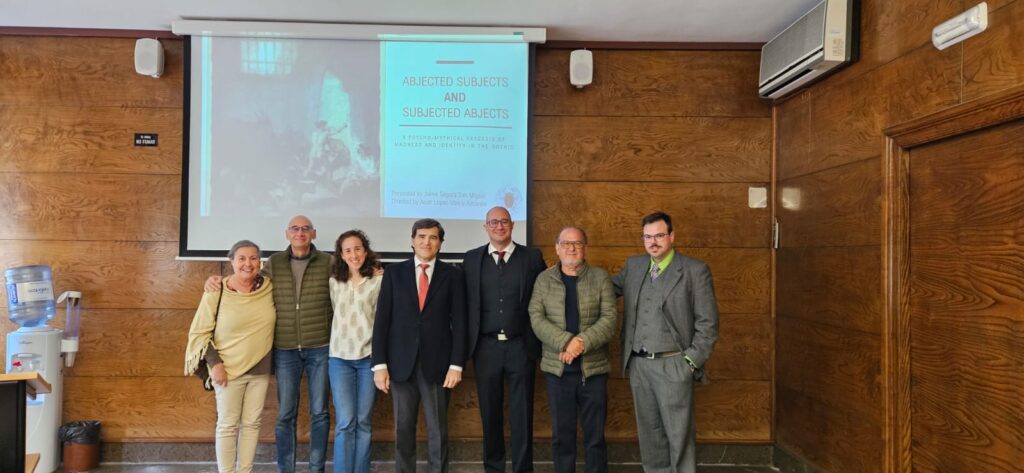
Abjected Subjects and Subjected Abjects: A Psycho-Mythical Exegesis of Madness and Identity in the Gothic
Author: Jaime Segura San Miguel
Director: Asunsión López Varela
Defense: May 12, 2025 in “Sala de Juntas” of the Faculty of Philology, Complutense University of Madrid.
Abstract
“The objective of this thesis encompasses several levels of research, both methodological and sociocultural. Firstly, it begins with a conscious effort to find and define the ideological framework in which, primarily from the Enlightenment onwards, the psychiatric subject and their abject identity are conceptualised. To this end, the first part comprises a diachronic review of the evolution of mental health treatment, with special attention to psychiatry in modernity, using Foucauldian and critical discourse analysis models that shed light on the power structures governing the creation and perception of the altered identity associated with madness.
Likewise, this first part is complemented by a detailed analysis of how the ideological evolution underlying the treatment and conceptualisation of madness is reflected in literature, from classical times to the contemporary age. The second part, which delves into the aesthetics, archaeology, and aetiology of madness, proposes a psycho-mythical exegesis model in which cultural and psychological methodologies converge for the analysis of abject identity in psychopathological literary characters. To this end, the relationship between the concept of madness and the Gothic and horror genres, myth and religion, and social psychoanalysis is critically and thoroughly analysed. Finally, the thesis includes a third part with six publications in which, through the analysis of abject characters, the consequences of the ideological evolutions that underpin the sociocultural construction of madness, the identity problems derived from them, and how this entire theoretical-philosophical, theological, ideological, sociocultural, medical, and legal apparatus affects the representation of madness in the arts are exemplified, presented, and analysed.”